Sunday, June 26, 2022

Narrowboating in Wales

For all of the years Pete and I have been together, he has been insistent that he would never own a boat because they are the ultimate money pit. As a boat captain, he is quite aware of the cost to maintain boats, so I have never questioned his stance. So imagine my surprise when, after stumbling upon a show about narrowboats during the pandemic, he started talking about buying a narrowboat and retiring to the English countryside. For those of you unfamiliar with the term, a narrowboat is a very narrow houseboat built to travel the canals found in the UK. 

While trying to come to terms with this rapid shift in thinking, I suggested we try it before we buy it. Before long, he had picked a canal, a rental company, and a boat, and made a reservation during the week of his 46th birthday. Pete is not usually the travel planner, but the sudden loss of multiple friends and colleagues over the last few years, in addition to the pandemic, inspired him to seize the day and make it happen. 

For our inaugural narrowboat adventure, we spent a week on the Monmothshire and Brecon Canal, shortened to the Mon & Brec, in southern Wales. The canal is 36 miles long and is one of the few in the UK that is not connected to any other canals. The extensive canal system throughout the UK fell into disrepair when rail surpassed barges as the dominant means of moving goods around the country. Over time, however, the Canal and River Trust (C&RT) has been restoring the network of canals. Without a direct connection to any other canals, we assumed the amount of boat traffic on the canal would be less than some of the other canals, which sounded nice for our first outing. Pete was also drawn to the Mon & Brec because it runs through Brecon Beacons National Park, providing us lots of opportunities for walks in the countryside and beautiful vistas. The area around the canal is a World Heritage Site because of its prominence as a major center of coal, limestone, and iron ore mining and iron production. The canal was used to move a lot of those goods and limestone kilns were quite prominent along the canal. 


lime kiln along the canal

Our rental company, Beacon Park Boats (BPBs), is located roughly in the middle of the 36-mile canal, which meant that we did two out and back legs to travel most of the canal. The recommended itinerary had us going to the north first. After looking at the weather forecast, though, we decided to head south so we would hopefully avoid having to navigate the flight of locks in the rain. We hoped that a reverse itinerary would also make for less competition for mooring spots at the end of the day.

We were allowed to pick up the boat at 2:30 pm on the first day. This in itself was a spectacle. When we were dropped off by our taxi at the gate of BPBs at about 2:15, there was a line of cars waiting to get in. Promptly at 2:30, the automatic gate opened and the cars streamed through, everyone eager to get on their boat and start their holiday. We had dropped our bags off earlier that morning and the amazing staff had already loaded our bags AND put away our groceries, which meant we had a head start on most of the others. After watching a safety video and getting some additional instruction about the boat, a staff member hopped on board and off we went for our training drive. Within about fifteen minutes, Pete was deemed a worthy boat handler, so the staffer stepped off the boat at the first bridge and we were on our own for the next seven days. 

Our home for the week was Heron, a beautiful 57-foot long, 7-foot wide narrowboat. We spent 10 days on a canal boat on the Canal du Midi in Southern France in 2017, but this was a completely different experience. First, the boat was 20 feet longer and about half as wide. This made maneuvering the boat very challenging and took some getting used to. Thank goodness for bow thrusters! Second, the boats in the UK have septic tanks, which was a welcome change from our previous experience (yes, that means the Canal du Midi is filled with poo!). Third, there are no paid C&RT staff on the canal, so we got to operate the locks and drawbridges ourselves. Occasionally volunteers were around to help make sure people were operating the locks correctly and to direct traffic when boats were coming up and going down through the locks. Finally, the Mon & Brec was a much narrower canal than the Canal du Midi, with many stretches barely wide enough for two boats to pass. There were also a lot of blind sweeping turns, so we used our horn frequently to alert others to our presence. Similar to the Canal du Midi, there was a tow path along the entire length of the canal. This path exists because barges were originally towed by horses. Now they are a fantastic recreation path for walkers, runners, and bikers. 

tied up along the tow path for the evening

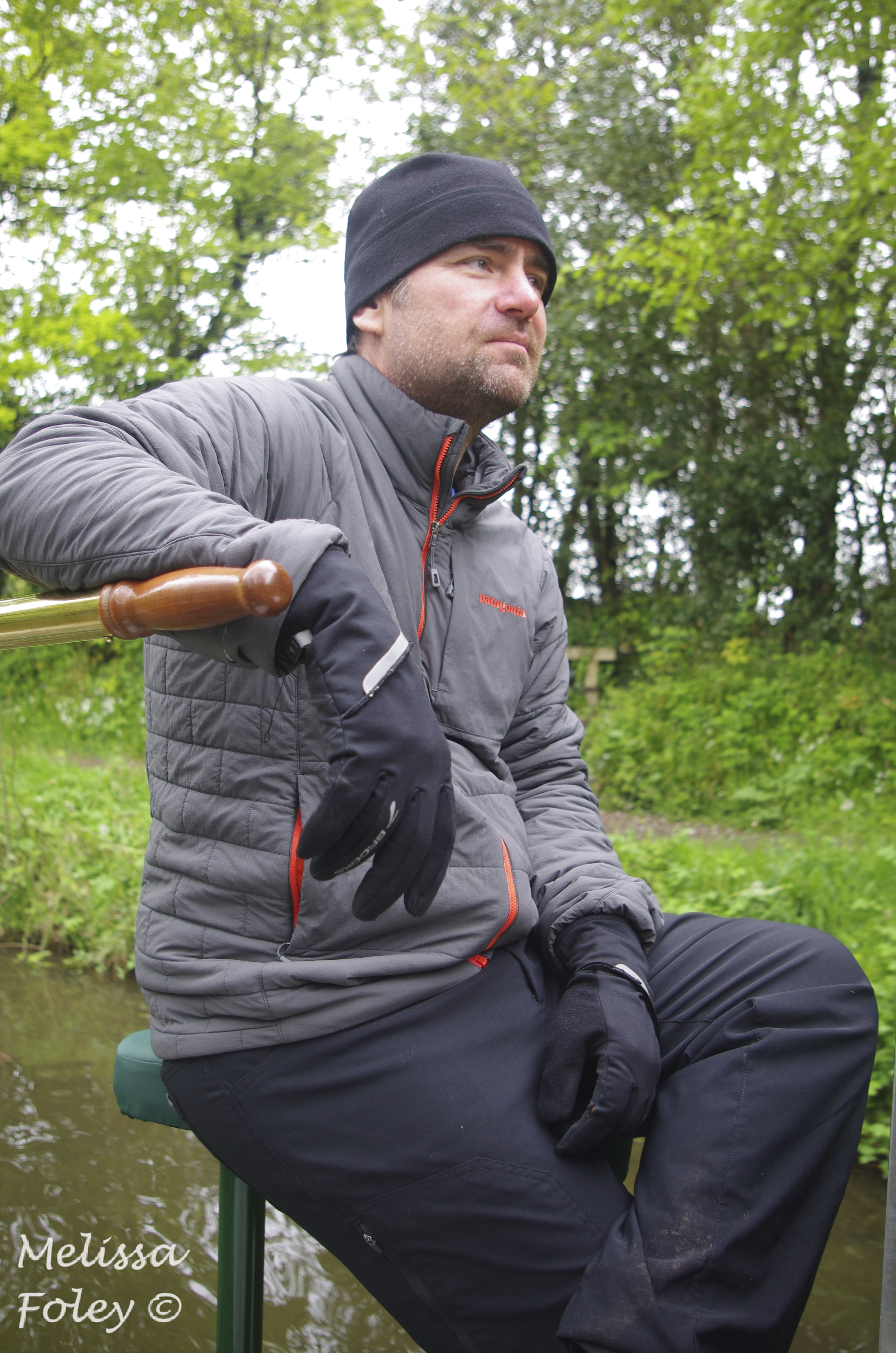
a very relaxed skipper

a less relaxed skipper

a resident on the canal took our photo and airdropped
it to us while she was walking alongside the boat.
Look how long that boat is!


dinner on the back deck

scenery on the northern end of the canal

we had some really lovely mooring spots

from the helm station, you walked down stairs inside the boat
and proceeded through the salon, galley, head, bedroom, and bow

I think one of the things that was attractive to Pete about narrowboats is the speed at which you travel. The maximum allowable speed on most canals is 4 mph. Our average speed for the trip was 1.4 mph and I'd guess our max was no more than 2 mph. Suffice it to say, narrowboating is akin to a very leisurely stroll. And still, when navigating curves, bridges, and tunnels, 2 mph felt much too fast when I was on the tiller! Over the course of the week, we covered 60 miles in 42 hours of steaming. Our typical day would entail me going for an early morning run on the tow path so we could leave our mooring between 8 and 8:30. We'd usually steam along until midday and find a nice spot to tie up for lunch and a hike. We would then move farther along the canal and try to be tied up for the day by 4 or 5 pm. We usually stopped at a water point every day to fill our water tank. They recommended filling the tank every day, mostly as ballast so the boat would not hit the decks of the very low bridges. At the end of the day, we were oftentimes within walking distance of a village pub, so we'd amble over for a half pint and then cook dinner on the boat. We were trying to make our time on the boat as authentic as possible so we could assess what living on a narrowboat would feel like. In that vein, Pete wanted to cook an involved meal that required multiple burners and lots of dishes to give the galley kitchen a stress test of sorts. His coq au vin was a success, suggesting narrowboat life doesn't have to equate to uninspired, one-pot cooking for months on end. Hooray! 

remaining standing was not an option on most bridges

this was the lowest bridge on the canal - we cleared it by inches

all the bridges were numbered, which was helpful for
keeping track of where you were on the canal

the canal was barely wide enough for two boats to pass in some sections

making "elaborate" meals in the small kitchen

While the Mon & Brec is short, it has most of the features of a longer canal, including locks, drawbridges, aqueducts (bridge of water over water), and a tunnel. Most of these features are situated at the northern end of the canal, which was another good reason to go south first. We got to go through the tunnel, up a lock, and cross the longest aqueduct on Pete's birthday. We also got our only significant rainstorm that evening. Rain would have made for a quite different trip since you have to stand outside in the elements to drive the boat. We were prepared for that possibility, but fortunately did not have to put it to use. 

You can only turn the boat around in certain places along
the canal, called winding basins. We barely fit in this one!

coming out from under one of the 102 bridges that cross the canal

ready to use one of the handles to open the paddles on the lock

closing the gate on the lock

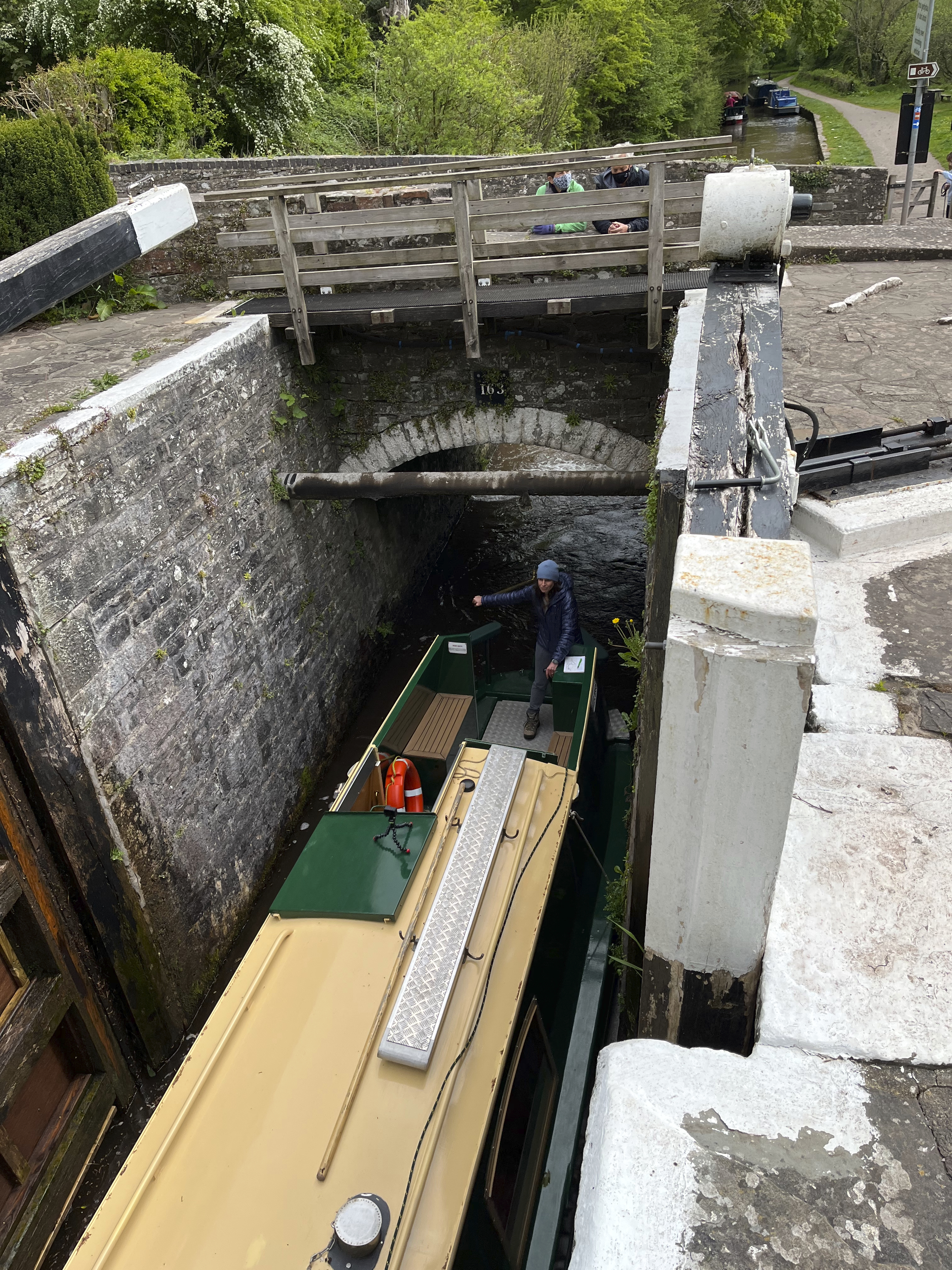
entering the lock on the way up the canal

a bridge and a lock all in one just to make me extra nervous

the 375 yard-long Ashford tunnel - no tow path in here 
and not a lot of room to spare in any direction

one of the drawbridges

the Brynich aqueduct over the River Usk

As we prepared for our trip, we (mostly Pete) watched vlogs from narrowboaters on various canals in the UK. One of the things that always made me laugh was their comments about all the "amazing" wildlife on the canals. This typically included mallard ducks and sheep. Because we were in a national park, I had slightly higher hopes for wildlife but my expectations were still pretty low. We did, in fact, see mallards and sheep galore (including babies of both), and also saw fox, herons, white-throated dippers, pheasants, moorhens, and an ornate and unexpected mannequin duck.

Communing with the locals from the breakfast table


mannequin duck

moorhen - we only saw them on the southern stretch of the canal


the public footpaths often cross through paddocks, where
we occasionally got visits from the animals therein

Brecon Beacons is a national park, but that designation has a slightly different meaning than in the US. While the US government tends to kick people out of areas designated as national parks, significant populations of people have been in these places far too long to remove them, in addition to Briton being a small island. In practice this means there are picturesque villages along the canal every 3-5 miles. Many are dotted with structures that are hundreds to thousands of years old, mostly stone, set on narrow streets and surrounded by green fields. The green fields are mostly sheep paddocks, but they were so beautiful to our drought-adjusted California eyes. It was also the height of spring, so trees and flowers were blooming, adding to the loveliness. 

vast expanses of bluebells lined many of the walking paths

wild ramps - the smell was so strong!

taking in the sunset from the middle of a paddock

stone bridge over the River Usk (and the sight of our 
first dipper sighting, one of my favorite birds)

Most canal-side villages provide long-term moorings for
people living on their narrowboats. Not a lot of passing room!

There were many old churches along the canal. The cemeteries told 
the history of the region; many of the graves were from the mid- 
to late-1800s and were mostly men from the mining pits.

Canal-side pub and oldest brewery in Wales

Halfway through our week, Pete was already researching the various ways to get residency status in the UK. While we are unlikely to qualify for any of them, we can get a six month visitor visa at any point. That seems like plenty of time to share a very small space with another human. And really, who wants to spend the winter in cold, rainy England?! Most importantly, Pete was really happy with our adventure and is already planning our next narrowboat adventure.  

Sunday, January 30, 2022

The last of Zambia - a different side of Kafue National Park and a genet surprise

 After our narrow escape from the Busanga Plains area of Kafue, we headed to McBride's Camp situated on the Kafue River on the eastern side of the park. Even though we had likely made the correct decision due to the rain, it was a bit of a bummer to miss out on the pontoon river crossings and to have to retrace our steps through much of the park and all the way back to Mumbwa. We took advantage of going back through town to top up on a few supplies, including some fresh greens from a roadside market stall, which felt like a rare treat. We also purchased some loquats, the fruit the bats love to eat, but we were not all that impressed with them. If they were perfectly ripe, they were good, but they have almost no flavor if underripe and a mealy quality if overripe. 

We arrived at McBride's Camp a bit road weary and were immediately welcomed by the McBride's themselves, Charlotte and Chris. Charlotte had just returned from a roundtrip to Lusaka, meaning she had been in the car as long as we had that day. They immediately whisked us out to the sitting area overlooking the river to hear our stories, all the while interjecting natural history tidbits about this place they have called home for 23 years. We soon learned that prior to running the camp, Chris had spent much of his life studying lions in Southern Africa and received his Master's degree from Humboldt State in northern California. He was very excited that we were familiar with his alma mater. Charlotte was clearly the one who kept everything running at the camp and was also an incredible naturalist herself, having grown up in the Zambian bush and accompanying Chris on most of his lion research expeditions. In our first conversation with the two of them, we learned about the spur-winged geese at the river, the palm tree thoughtfully planted by the near-resident elephant Jethro (via a dung pile), the juvenile fish eagle who was still finding his voice, the sleeping spots of the hippos throughout camp, and the sausage trees that resulted from the poo of those hippos. Within about 30 minutes, we had decided that we needed to stay an extra night because it was clear this would be a special experience. 

We made our way to the campsites, which were situated at the far end of the property, set back from the river about 50 meters. We had the camping area to ourselves, complete with separate ablutions for each couple. There was a thatched shelter in camp, as well as another by the river, which was lovely for watching birds and the water go by. The acacia tree overhanging camp was in full bloom and teaming with sunbirds and bee-eaters. We also had a very shy blue duiker and a slightly bolder bushbuck that occasionally walked through the back of camp. A few monkeys rounded out the camp wildlife, which were fortunately less bold than the ones at Mvuu and Wildlife camps, where we had to secure everything, including our tent door, to prevent them from getting into our things. 

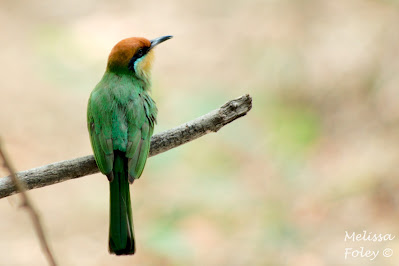
Boehm's bee-eater

blue waxbill

bushbuck

camp relaxation time

Much of the next day was spent reading and bird watching, which was a welcome change from our long days in the car. The slow day afforded us the luxury of time to do things like fry up the raw groundnuts we had purchased in Mumbwa (one of Andrew's camp specialties) and cook a big pot of beans for dinner. In the afternoon, we went for a boat trip down the very shallow Kafue River on a double-decker pontoon boat. Almost immediately after leaving the dock, we had to interrupt a group of hippos that were lounging in the deep channel of the river. They were not happy to see us, but begrudgingly moved aside long enough for us to pass before returning to their spots. We saw a lot of birds on our trip, including the elusive finfoot, our boat's namesake and a rare water bird found only in pristine rivers. We also saw a malachite kingfisher, a bird that had been on Andrew's wishlist the entire trip. Our very skilled boat driver was able to get us some great views of the small, but colorful bird without scaring it away before Andrew and I could get our fill of photos. The trees lining the river were dotted with fish eagles every 60-70 meters and a flock of egrets skimmed the surface of the river just as the sun was setting. All this was accompanied by hot tea, a gentle breeze, and lovely scenery in every direction. When we returned to the dock, Chris was waiting for us and wanted to hear about everything we saw. He was sad we had not seen any lions or leopards. We returned to camp to find that our evening fire had been built up and our beans had been topped up with water and were cooking away over the fire.    


open-billed stork (we had seen a juvenile in Busanga,
which, unfortunately, do not yet have open bills like the adults)

finfoot


malachite kingfisher


the low water level made for some spectacular tree root views

two fish eagles


spur-winged geese (black ones), knob billed ducks,
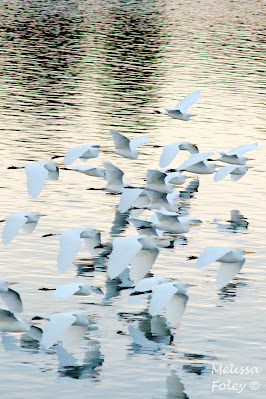
and egrets on a grassy expanse along the river

the definition of idyllic?

The next morning we headed to the main lodge around 7 am to meet Chris for tea and a bushwalk. As we sipped our first cup of tea, Chris regaled us with more tales from his lion research and life in Kafue. We got up to leave and were encouraged to refill our mugs and bring them with on our walk. The previous evening Chris had mentioned that our walking route would be dependent on the whereabouts of a female elephant and her young calf, who had been seen around camp recently. In fact, we were warned not to walk on the road between our camp and the lodge after dark because we might accidentally stumble upon the pair. Chris assured us that "she was a lovely elephant but will kill you" if she felt threatened. Along with this warning, we also learned that elephant eyes do not shine when exposed to light, making them more difficult to see at night, hence the no walking rule. 

Our walk started in the camp itself, and it took about 30 minutes to make it from the lodge to the parking lot, a distance of about 25 meters. We didn't mind one bit because the amount of knowledge that was being imparted was incredible. As we got to the parking lot, the ranger handed Chris his camera, rifle, and a fresh mug of tea. Chris didn't want to be saddled with the heavy rifle, so he handed his father's Rigby 0.416 caliber rifle off to Pete to carry. Chris assured Pete that he would do the shooting if we encountered a charging animal. As we walked along the road leading away from camp, we learned about civets, hippos, forest fire, and the vegetation. Not too far down the road, we came across recent elephant tracks, including some very small prints. Knowing the mama elephant could be nearby, we could proceed no farther on foot. I walked quickly back to camp to alert our driver, and he came in short order so we could continue our journey via vehicle. We were able to get out of the truck multiple times to inspect items of interest more closely, but always with an eye out for the "lovely" elephant, which we never saw.   


spider orchid


tea and a lesson in civet poo

tea mugs to be picked up later


safari essentialls

sable antelope

When we arrived back at camp, the kitchen staff quickly approached Chris with a cardboard box, explaining that they found the animals on the ground. Inside the box were two baby genets, cat-like animals that live in trees. Finding the babies on the ground was a likely sign that something had happened to the mama. Chris quickly put the four of us in charge of the genets until Charlotte returned from the bush camp, which would not be for another 4 or 5 hours. He assured us that she would know exactly what to do. In the meantime, we did NOT know exactly what to do and one of the genets was not doing well. They were too small to eat solid food, so we asked the kitchen staff for a bowl of milk. They were not adept at drinking either, so Jenny ran back to camp to get the small syringe from the first aid kit. Pete and Jenny worked their magic and managed to get some milk into the weaker one and eventually into the more alert one as well. By the time Charlotte returned, the genets had learned to suckle from the syringe and had settled down for a nap. Charlotte, indeed, did know exactly what to do and quickly concocted a proper feeding solution that wouldn't upset their stomachs. Charlotte was now in charge and kept a close eye on them, including keeping them next to her bed so she could feed them every couple of hours throughout the night. We were able to get one last peak at them the next morning before we started our drive back to Lusaka. They were seemingly doing well and definitely in good hands.


finally looking alert and taking milk

Our final days in Zambia were spent back at Pioneer Camp outside of Lusaka, where we began our journey. J&A needed a few days to do some truck chores and restock provisions before heading north, and we needed to get our Covid tests before our flight home. We really enjoyed our time in Zambia and would go back in a heartbeat, especially to spend more time at McBride's Camp. It was great to spend time with J&A doing the thing they love. It gave us a window into their world and a better understanding of how they would be spending their next ten months in Africa. If you've enjoyed these posts and want to continue following J&A on their adventures, Andrew's blog is here

Our flight home left one week before flights out of Zambia were stopped due to the omicron variant. We feel extremely lucky that we were able to squeeze this trip in between the delta and omicron variants, although having to spend a few more weeks in Zambia would not have been the worst thing...