Thursday, October 18, 2018

Back to the Elwha and a "berry" good time in Olympia

Two days after landing in California from New Zealand, I got on another plane headed for Washington State. California was on fire, which made for an interesting plane flight over the vast portion of the state covered in smoke. Even Crater Lake in southern Oregon was filled in. 

northern California blanketed in thick smoke

Crater Lake filled with smoke

I was traveling to Port Angeles, Washington, for a short return to the Elwha River, my field site for four years while I worked for the U.S. Geological Survey. The Elwha dive team had gotten some last minute funding for one week of dive surveys. We were surveying fish, algae, and invertebrate underwater communities near the river mouth to see how dam removal had affected them. I had done four years of surveys with the team before leaving for NZ and was really excited to have the opportunity to dive one more time. When I dove in the summer of 2016, we were seeing strong signs of recovery, particularly for the algal community, after nearly all was lost the first year after dam removal. In the years after dam removal, my job as the algae counter was pretty boring. Many days I would write "0" on all of my underwater data sheets. I earned my keep doing point counts and taking videos of our sites, but my algae identification skills were not being put to good use. In 2015, we happened to dive on the same site three weeks apart. The first time there was hardly any algae clinging to the cobbles; the second time it was like we descended on a completely different place. Red algae and small brown kelps were everywhere. Was this the start of recovery? In 2016, we saw more algae at most sites. I didn't have quite as many zeros on my data sheets. I missed 2017 but heard the algae were back. In 2018, there were so many algal species on our transects that I had to refresh my memory on some of the species that we had not seen for years. What an opportunity to see the "before," "during," and "after" at these sites. 

Diving around the Elwha River is not the most glamorous of diving. The Elwha River empties into the Strait of Juan de Fuca, which runs west to east between Washington and Vancouver Island. The Strait has very strong tidal currents that push through four times a day, so our diving is limited to the slack periods when the tide is neither flooding nor ebbing. The bottom at most of our sites is covered in gravel that is about an inch to two inches in diameter so there isn't much relief at our sites. Occasionally we get some big boulders on our transects--which are the places where the cool critters hang out! The water is cold (46 to 48 degrees Fahrenheit) and the visibility usually leaves something to be desired. But I still love it and always enjoy dropping into a site, not knowing exactly what we will find. 

blood star with some interesting arms

sand rose anemone

fish-eating anemone

feather duster worm

My favorite from the whole trip! A grunt sculpin.

kelp crab

beautiful birthday sunset over the Olympic Mountains

After the Elwha, I had a few days in Seattle to work on a manuscript with my friend and colleague, Sarah. It was the hottest week in Seattle of the summer so we went swimming in Lake Washington after work, which was lovely. We also attended the neighborhood "National Night Out" block party. Apparently it is tradition on their block to end the night with the hokey pokey. As I sat on Sarah's porch watching her whole neighborhood dance in the street, I was hopeful that we are not a country divided...maybe we just need more hokey pokey in our lives. 

After the work was done, I headed south to Olympia to play with Tish, Morgan, and our god-kiddos. The berries were ripe and the school garden was in full bloom. What a great time to be in the Pacific Northwest! It was great to be with friends for a few days to try to ease back into our lives in the U.S.  

looking at bugs under the microscope

lots of slugs on our hike

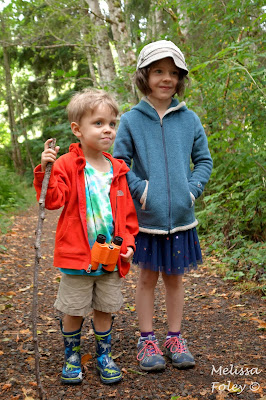
the intrepid explorers

a new tree growing from where an old tree once stood

the garden bounty

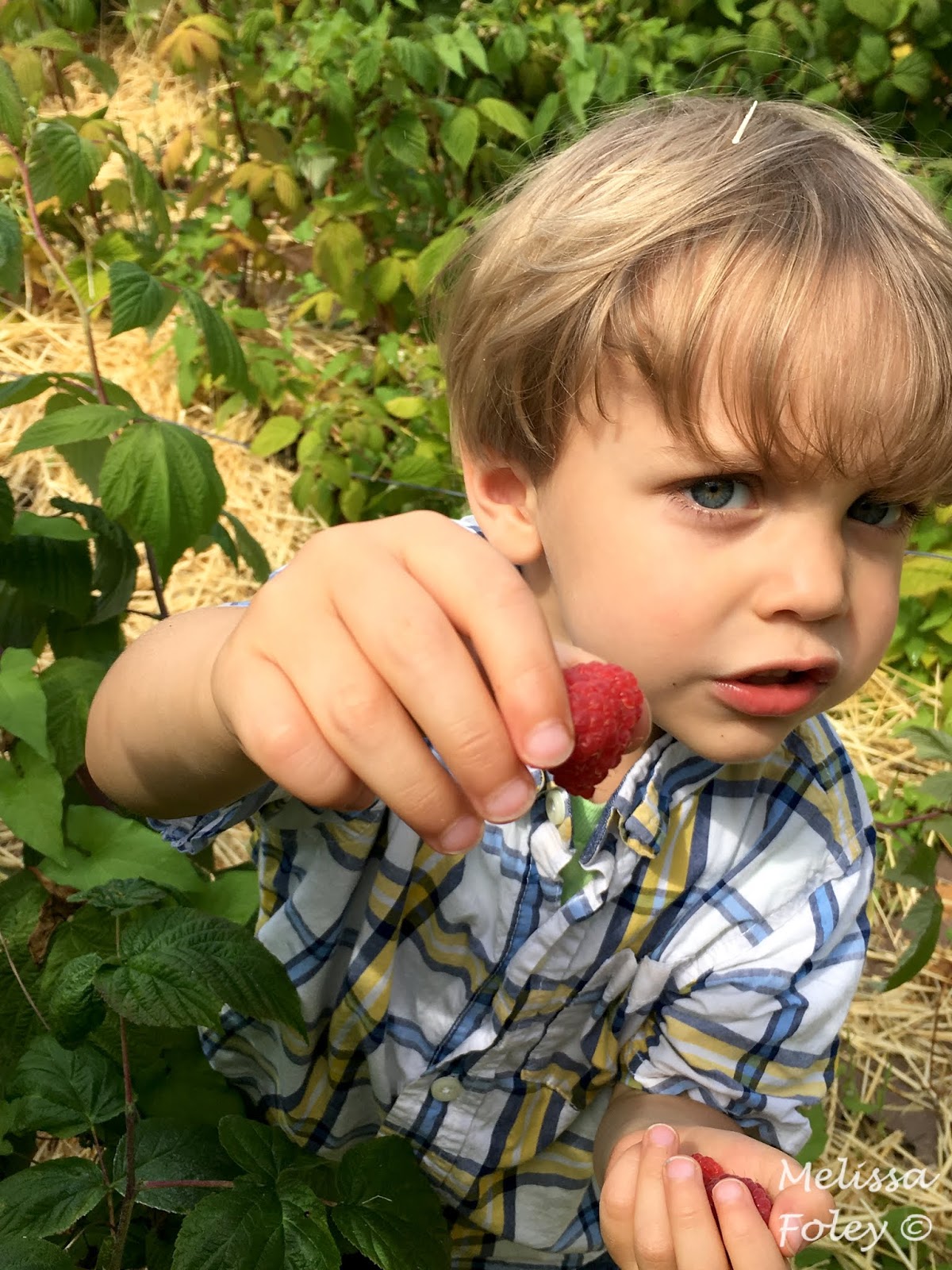
delicious raspberries at the school garden

beautiful dahlias too

M's cucumbers she grew from seed

And her big-as-her-head seastar cookie

haircuts all around!

the sandwich board was as fun as the haircut

The smoke from the fires in British Columbia started to move in the day I left, so I got out just in time. Summer in the PNW is sort of magical and I'm grateful I got to spend a couple weeks soaking it up.  

Saturday, October 6, 2018

The Great (extended) Minnesota Get-Together

I spent most of the month of September in Minnesota with my family. My first trip at the end of August was planned around the 50th anniversary of the Minnesota State 4-H Ambassador program. Minnesota Extension had organized a reunion for all past and present ambassadors (ambies) during the Minnesota State Fair. I was an ambie in 1996-1997 and my brother was one in 1997-1998 so the whole family decided to make a day of the fair and the reunion. The day of the reunion was the day that 270,425 other humans decided to venture out to the fair, marking a new record in fair attendance. The buildings and streets were full and it was HOT. But the fair is always an experience of food and people watching. Food is a little harder to come by as a gluten- and dairy-free person, though (thank goodness for the horticulture building!). No cookies for me. :( 

Fairchild the gopher, the mascot of the fair

fried pickles for breakfast

the mass of humanity

massive Paul Bunyan made from repurposed materials

Arts-In performance in the 4-H building


Dairy princess getting her likeness carved in butter

Our 4-H reunion was on the second floor of the (non-air conditioned) 4-H building, which brought back a lot of memories. It was great to see so many friends who made the journey. Our time together was short, but our connections are strong. I spent a lot of time with my fellow ambies during a key transitional point in my life. They all shaped me in some way and I'm so grateful that our paths crossed when they did and continue to cross every once in a while. 


Working at the MN State Fair in the summer of 1996.
Yes, the green suits were required for our formal attire.
Yes, I still have my green suit.

Ambies (including my brother) from 1996 to 1999

two of my favorites

siblings!

Five days after heading back to California, I was back in Minnesota to help my mom for a couple weeks while she recovered from hand surgery. Doing things with one hand is difficult! While I was there, I had much more time to hang out with the dogs, search for frogs (they were everywhere!), kayak on the lake, pick veggies from the garden, and listen to my mom tell stories about her family. There were a few medical appointments, but we also got to visit many dear friends. I also took my mom to Newsies at Chanhassen Dinner Theater for her birthday, which was a fun outing. 

Cole-dog trying (?) to catch a fish

grey treefrog

northern leopard frog (green morph)

northern leopard frog (brown morph)

a rare, windless day on the lake (eagle on top of the tallest tree)

my childhood friend Michele made an epic detour to come see us

Smithsonian Magazine sponsored a museum day in September, so my mom got us free tickets to the Runestone Museum in Alexandria. The museum covers a lot of ground, from Minnesota wildlife to Native Americans to town history. The star attraction of the museum is a Viking runestone from 1362. A Swedish farmer found the runestone in 1898 while clearing brush on his land about five miles from my mom's house. When the stone was found, many people thought it was a hoax and that the farmer had carved the Nordic runes himself. The controversy around the stone tore the farmer's family apart and alienated them from their community. The farmer had about six weeks of formal education so it seems highly unlikely that he carved the runes, but the stone has remained controversial for many, many decades. There is still debate today, but advanced techniques in dating suggest that the stone is authentic. Many other Viking artifacts have been found in the region since the runestone was discovered, including axes and fire steel that are commonly found in Scandinavian countries. The Vikings likely made their way to Minnesota by traveling south from Hudson Bay to Lake Winnipeg and down the Red River into Minnesota. The land where the runestone was found has since been turned into a park. We visited the park after the museum to see the where the runestone was unearthed. 


the controversial runestone


Ojibwa jingle dress typically worn at a pow wow

One of the original buildings from Fort Alexandria that was commissioned
in 1862 to provide protection for white settlers during the Dakota uprising.

The temperature was continually dropping during my visit, which made made the trees change color quickly the last few days, but I was happy to return to California before the windchill dropped below freezing. 


Thursday, September 13, 2018

Our last NZ adventures (for now)

With mixed emotions, we moved back to the U.S. at the end of July. We loved so many things about NZ and wished we could have stayed for a couple more years. But life pulled us back to California, so we spent our last weekends cramming in as much exploring and hanging out with friends as possible.

In Auckland, we bid dear friends farewell, visited museums, used our last zoo pass, finally found the Lonesome George mural, and hiked to the top of Rangitoto Island. 

Jen and I met in Oregon twenty years ago when we took an intensive marine biology course together. We were neighbors at the Hatfield Marine Science Center student dorms and became fast friends. I started doing research in NZ in 1999 and quickly fell in love with the country, hoping someday to live there. Jen beat me to the punch by 16 years when she fell in love with a kiwi and moved to NZ. Over the years, I've seen Jen and her family more times than many friends in the US because of my frequent travels to NZ. I'm so grateful for our friendship and the opportunities we have had to see each other over the years. 


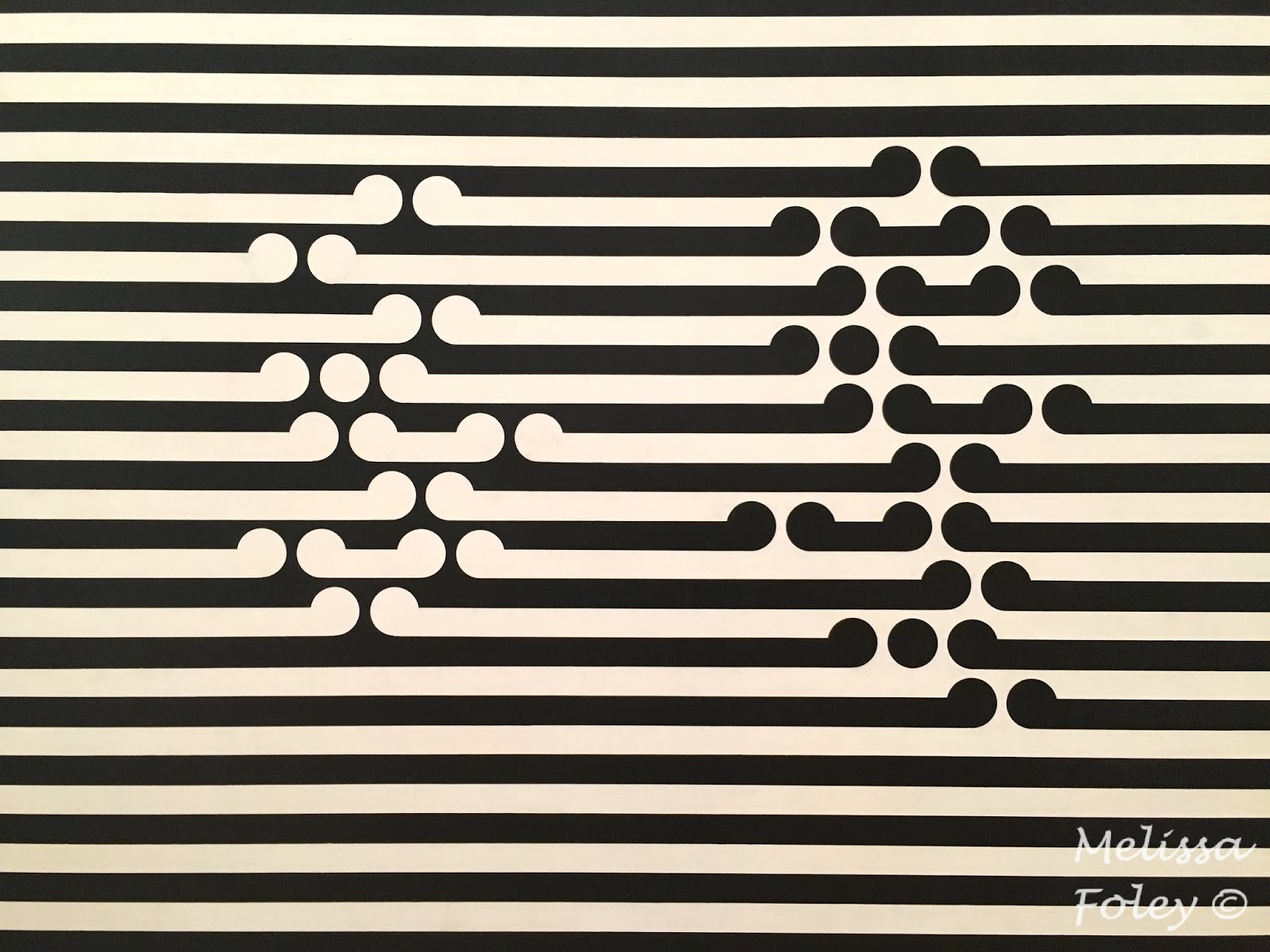
The Auckland Art Museum is currently hosting a special exhibit of works by Gordon Walters, a beloved kiwi artist. Many of his designs incorporate the koru, the spiral of the unfurling fern frond. He used contrasting designs made up of simple, repeating elements to show dynamic relationships between shape and color. I love looking at his work and finding new patterns in each seemingly similar piece of his koru series.


We each get a zoo pass every year as a perk for working at Auckland Council. We had used one of our passes during the summer but wanted to make use of the other and try to get a glimpse of the cotton-top tamarin babies that were recently born. We arrived at the zoo late in the afternoon on a sunny but cool winter day. There were a lot of people about but many of the animals had headed for their indoor enclosures by the time we arrived. When we got to the cotton-top tamarin enclosure, it was pretty quiet. I was sad and lingering at the railing when the male came outside. My excitement hit a new level when the mama emerged a few minutes later with TWO babies on her back. Cotton-top tamarins are small new-world monkeys that weigh about a pound and have a fabulous hair-do. The babies are ridiculously adorable and are really good at clinging to mom's back as she jumps from tree to tree looking for food. 


When we went to the Galápagos Islands in 2015, we learned about Lonesome George, the likely last Pinta Island tortoise in the world that died in captivity in 2012. Skunk Bear created an amazing musical memorial to Lonesome George in 2015 that has become a household favorite (watch it here with a tissue in hand). After sharing the video with a colleague, she told us about a Lonesome George mural in Auckland. We were able to find proof of existence of the mural, but finding exactly WHERE it was located took a bit more digging. As it turned out, the mural was on our bus route and we had been passing it every week. It is down a side street so not easily visible from the bus if you are not looking for it, but there it was. A memorial to Lonesome George in NZ. 


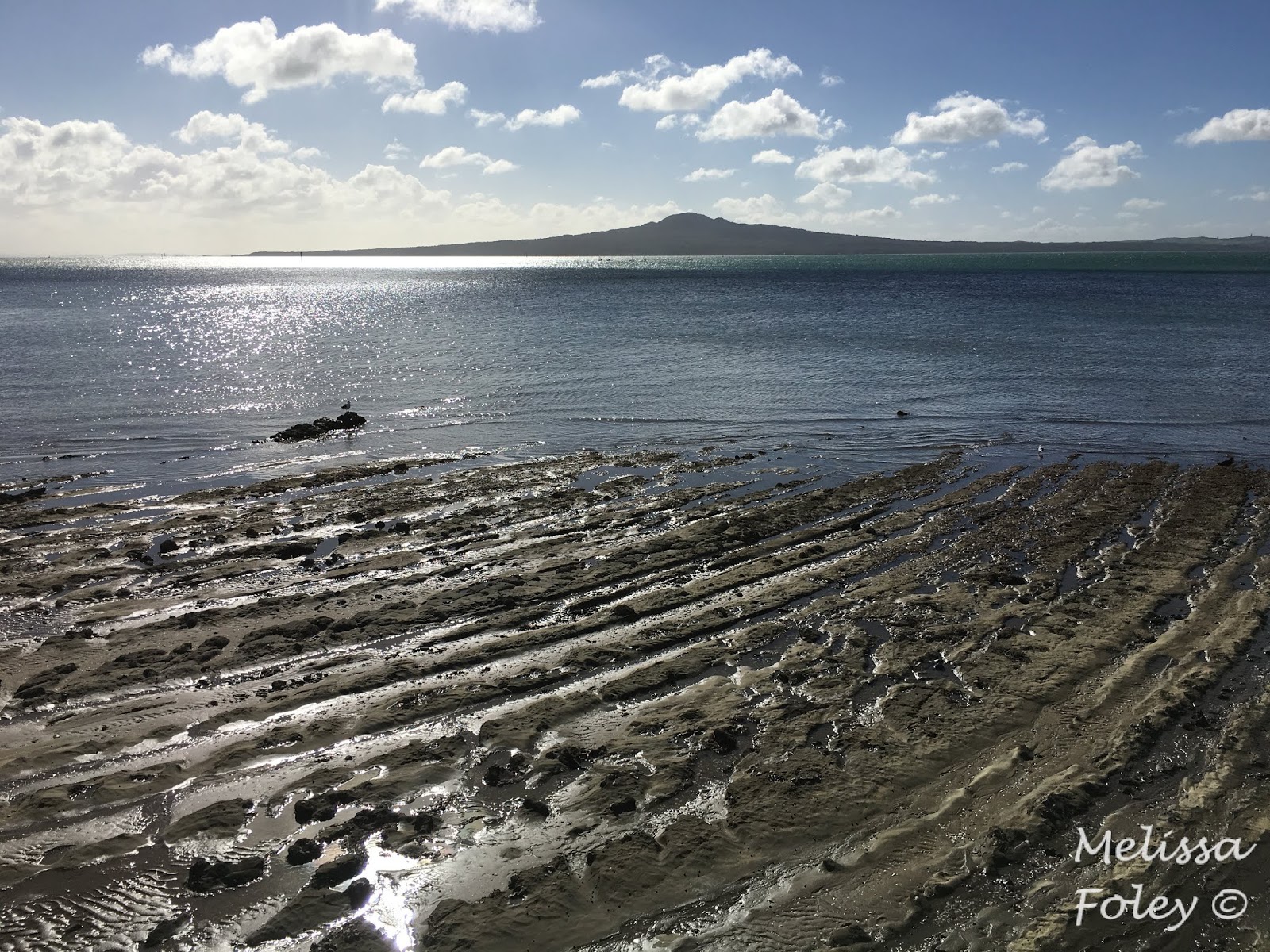
Rangitoto Island rose from the sea 600 years ago and is the most recent volcano in the Auckland Volcano Field. Rangitoto is as much of a fixture of the Auckland skyline as the Sky Tower, so we saw her nearly every day of our time in Auckland. The island is pest free and is home to the largest pōhutukawa forest in the world. In the summer, the island has a red tint from all the flowering trees. We took the 35-minute ferry from downtown Auckland to the island on a beautiful winter day. After crossing the waharoa, or gateway to the island, we meandered on the nearby paths at the base of the volcano to allow the masses to start their ascent of the island. After a quiet walk amongst the kidney ferns (my favorite), we started our way up through the harsh (and sharp!) yet lush landscape. We clamored through lava tubes and around the crater before enjoying the spectacular view from the top. 


Rangitoto from Kohimarama beach

Te waharoa o Peretu - the guardian of Rangitoto


kidney fern with spores around the edge

field of lava that has been colonized by some robust plants

entrance to a lava tube

crater of the volcano

view of the city and the Hauraki Gulf from the top

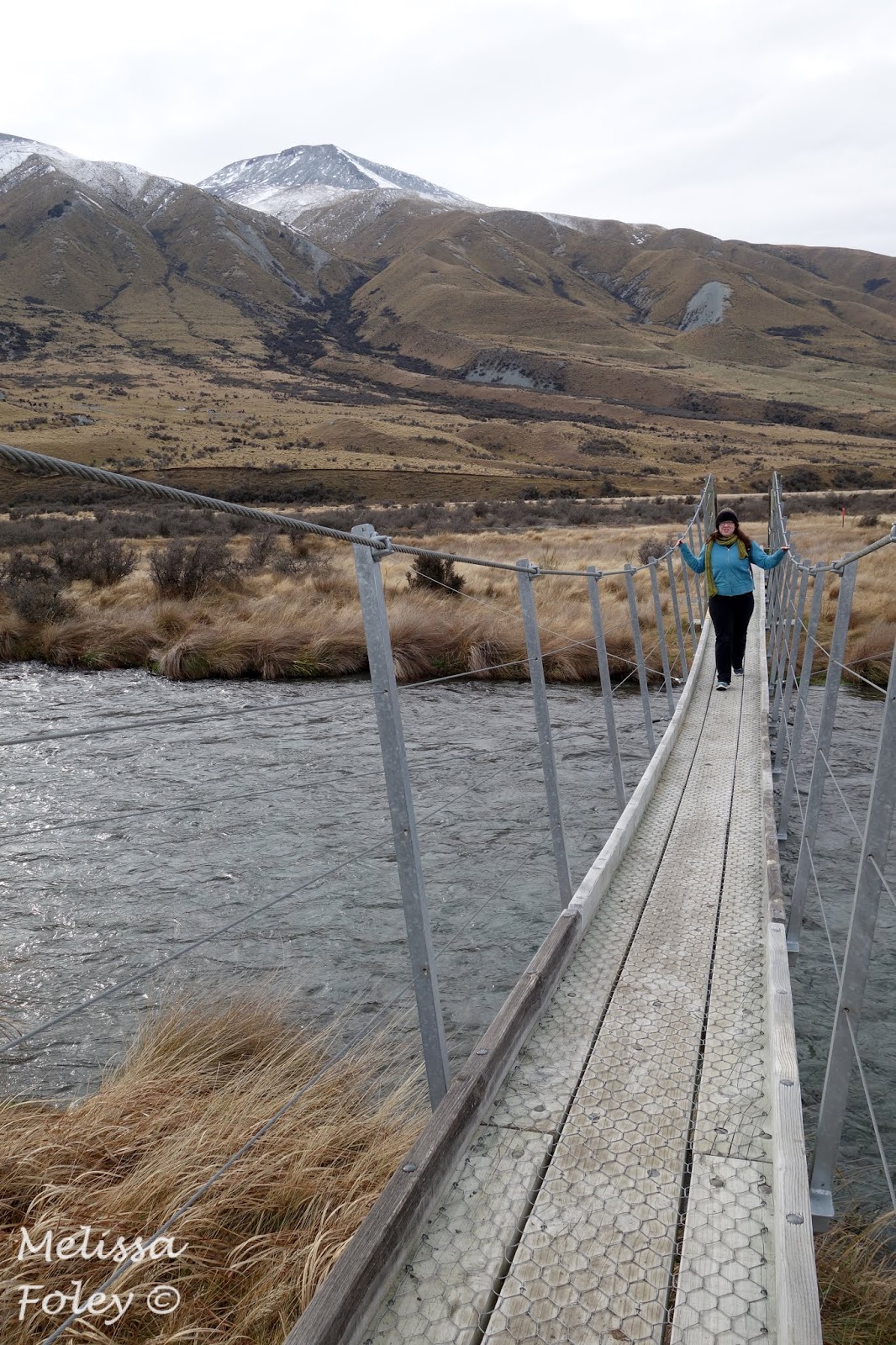
I made a trip down to Christchurch to visit my dear friend Stacie and her family. Stacie and I are also closing in on the twenty-year friendship anniversary, which seems nearly impossible. We spent a day with the boys, exploring the art gallery and playgrounds in Ashburton. The following day we had a girls adventure out to Mount Sunday, otherwise known as Edoras to you LOTR fans. This place is a fantastically gorgeous mixture of mountains, rivers, and high country vegetation. Great company, food, and stars added to the enjoyment of this trip for me. 

a display of color, angles, and shadows

finding all the art pieces in the scavenger hunt

making a cup for nana

climbing through the play structure

when little legs get tired someone has to ride the bike

helping DJ with the oil change

the friendly cows in the backyard

 the approach to Mount Sunday

grass tussocks are ubiquitous with the high country

crossing one of the many braids of the Rangitata River


 After the shipping company boxed up all of our worldly possessions and loaded them into a container, we headed off to the Coromandel Peninsula for our last overnight trip in the Wish called Wanda. We had visited the Coromandel on our first trip in the Wish, so it seemed fitting to bookend our time in NZ with another adventure to the east. This time we focused on the west side of the peninsula and headed for the Driving Creek Railway north of Coromandel Town. The property was purchased in the 1970s by an eccentric artist in the area. Barry Brickell purchased the land, in part, because of the clay soil on the property. He was a potter and envisioned creating a community of potters, artists, and free-thinkers. Barry was also a train enthusiast and began building a narrow-gauge railway on the property to get clay from the upper slopes of the property down to the studio. Once he started building the railway, however, he couldn't stop. When he did stop, he had laid 2.7 kilometers of rail that climbs 115 meters, the steepest track in NZ. He laid all of the track, built all of the bridges, dug the tunnels, and built the EyeFull Tower with his own hands. In addition, he transformed poor quality pasture and scrub forest land back into native forest. He also build a pest-free reserve and sculpture park next to the railway. I think if you took the train ride and didn't read or watch anything about Driving Creek Railway, you would walk away with a cool experience. However, realizing that all this work was done essentially by one person makes it remarkable. Even more remarkable, perhaps, is that NZ certified this railway for public use that was built by someone with zero engineering training. 


the depot

a very narrow gauge railroad (Pete's foot is a size 12 for scale)

there is pottery all over the property made from the local clay


the double bridge (second train just visible through the tree fern)

view of Coromandel Town from one of the switchbacks

 lower level of the double-decker bridge (mind your head!)

 
handmade retaining wall

one of two tunnels

train cars that were also handmade by Barry

Inside the EyeFull Tower, designed to resemble the lighthouse
at the entrance to the Waitemat
ā Harbour near Rangitoto Island.

 The view to the Hauraki Gulf from the EyeFull Tower

A kererū in the predator-free enclosure and sculpture garden

We had a great adventure in NZ. While we were sad to leave after just one year, we are so grateful that we had the opportunity to experience a different country and culture. We will definitely return in the future to pick up where we left off with friendships and adventures. Mā te wā!