With mixed emotions, we moved back to the U.S. at the end of July. We loved so many things about NZ and wished we could have stayed for a couple more years. But life pulled us back to California, so we spent our last weekends cramming in as much exploring and hanging out with friends as possible.
In Auckland, we bid dear friends farewell, visited museums, used our last zoo pass, finally found the Lonesome George mural, and hiked to the top of Rangitoto Island.
Jen and I met in Oregon twenty years ago when we took an intensive marine biology course together. We were neighbors at the Hatfield Marine Science Center student dorms and became fast friends. I started doing research in NZ in 1999 and quickly fell in love with the country, hoping someday to live there. Jen beat me to the punch by 16 years when she fell in love with a kiwi and moved to NZ. Over the years, I've seen Jen and her family more times than many friends in the US because of my frequent travels to NZ. I'm so grateful for our friendship and the opportunities we have had to see each other over the years.


We each get a zoo pass every year as a perk for working at Auckland Council. We had used one of our passes during the summer but wanted to make use of the other and try to get a glimpse of the cotton-top tamarin babies that were recently born. We arrived at the zoo late in the afternoon on a sunny but cool winter day. There were a lot of people about but many of the animals had headed for their indoor enclosures by the time we arrived. When we got to the cotton-top tamarin enclosure, it was pretty quiet. I was sad and lingering at the railing when the male came outside. My excitement hit a new level when the mama emerged a few minutes later with TWO babies on her back. Cotton-top tamarins are small new-world monkeys that weigh about a pound and have a fabulous hair-do. The babies are ridiculously adorable and are really good at clinging to mom's back as she jumps from tree to tree looking for food.


Rangitoto Island rose from the sea 600 years ago and is the most recent volcano in the Auckland Volcano Field. Rangitoto is as much of a fixture of the Auckland skyline as the Sky Tower, so we saw her nearly every day of our time in Auckland. The island is pest free and is home to the largest pōhutukawa forest in the world. In the summer, the island has a red tint from all the flowering trees. We took the 35-minute ferry from downtown Auckland to the island on a beautiful winter day. After crossing the waharoa, or gateway to the island, we meandered on the nearby paths at the base of the volcano to allow the masses to start their ascent of the island. After a quiet walk amongst the kidney ferns (my favorite), we started our way up through the harsh (and sharp!) yet lush landscape. We clamored through lava tubes and around the crater before enjoying the spectacular view from the top.





After the shipping company boxed up all of our worldly possessions and loaded them into a container, we headed off to the Coromandel Peninsula for our last overnight trip in the Wish called Wanda. We had visited the Coromandel on our first trip in the Wish, so it seemed fitting to bookend our time in NZ with another adventure to the east. This time we focused on the west side of the peninsula and headed for the Driving Creek Railway north of Coromandel Town. The property was purchased in the 1970s by an eccentric artist in the area. Barry Brickell purchased the land, in part, because of the clay soil on the property. He was a potter and envisioned creating a community of potters, artists, and free-thinkers. Barry was also a train enthusiast and began building a narrow-gauge railway on the property to get clay from the upper slopes of the property down to the studio. Once he started building the railway, however, he couldn't stop. When he did stop, he had laid 2.7 kilometers of rail that climbs 115 meters, the steepest track in NZ. He laid all of the track, built all of the bridges, dug the tunnels, and built the EyeFull Tower with his own hands. In addition, he transformed poor quality pasture and scrub forest land back into native forest. He also build a pest-free reserve and sculpture park next to the railway. I think if you took the train ride and didn't read or watch anything about Driving Creek Railway, you would walk away with a cool experience. However, realizing that all this work was done essentially by one person makes it remarkable. Even more remarkable, perhaps, is that NZ certified this railway for public use that was built by someone with zero engineering training.


In Auckland, we bid dear friends farewell, visited museums, used our last zoo pass, finally found the Lonesome George mural, and hiked to the top of Rangitoto Island.
Jen and I met in Oregon twenty years ago when we took an intensive marine biology course together. We were neighbors at the Hatfield Marine Science Center student dorms and became fast friends. I started doing research in NZ in 1999 and quickly fell in love with the country, hoping someday to live there. Jen beat me to the punch by 16 years when she fell in love with a kiwi and moved to NZ. Over the years, I've seen Jen and her family more times than many friends in the US because of my frequent travels to NZ. I'm so grateful for our friendship and the opportunities we have had to see each other over the years.

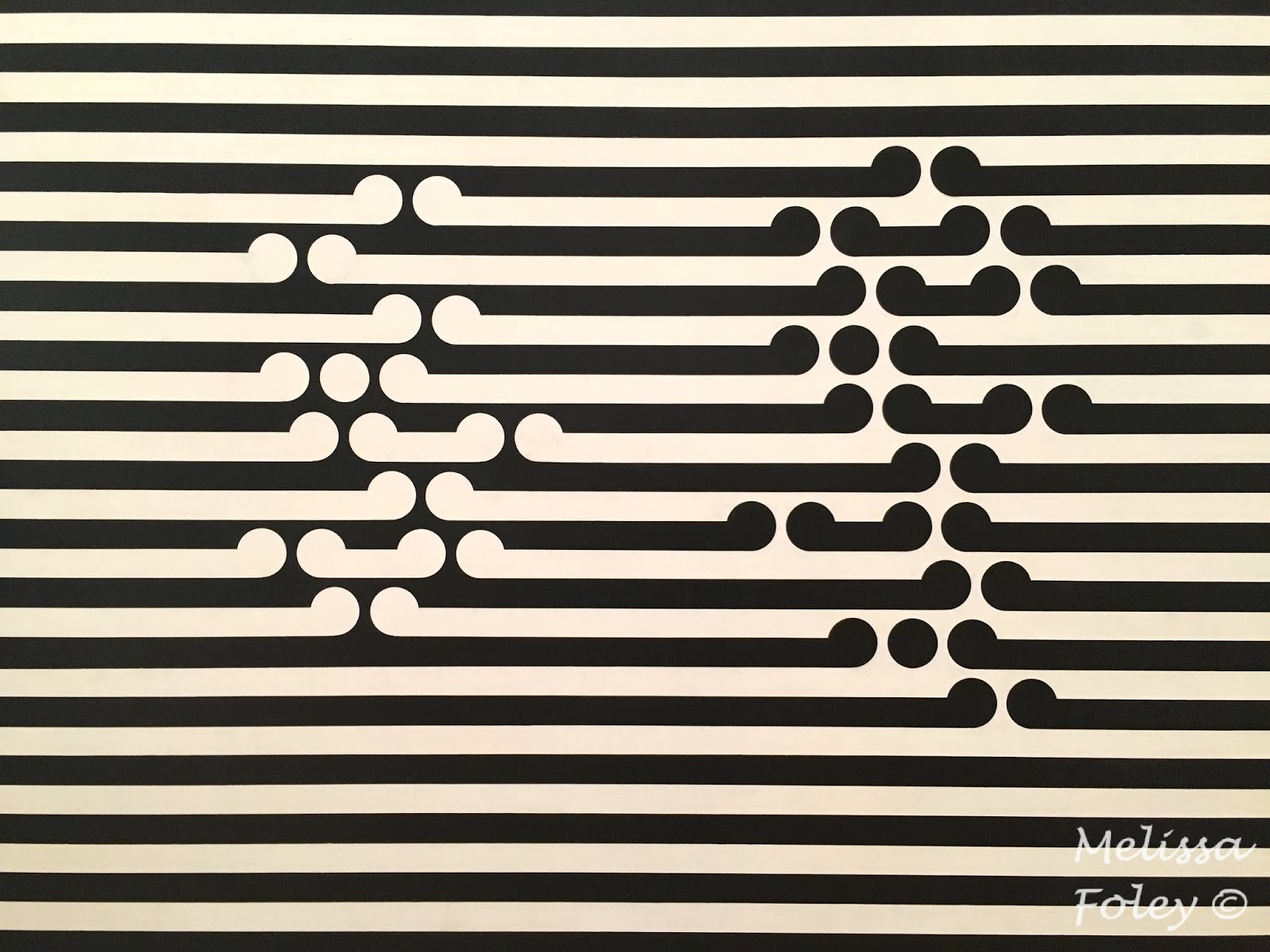
The Auckland Art Museum is currently hosting a special exhibit of works by Gordon Walters, a beloved kiwi artist. Many of his designs incorporate the koru, the spiral of the unfurling fern frond. He used contrasting designs made up of simple, repeating elements to show dynamic relationships between shape and color. I love looking at his work and finding new patterns in each seemingly similar piece of his koru series.


We each get a zoo pass every year as a perk for working at Auckland Council. We had used one of our passes during the summer but wanted to make use of the other and try to get a glimpse of the cotton-top tamarin babies that were recently born. We arrived at the zoo late in the afternoon on a sunny but cool winter day. There were a lot of people about but many of the animals had headed for their indoor enclosures by the time we arrived. When we got to the cotton-top tamarin enclosure, it was pretty quiet. I was sad and lingering at the railing when the male came outside. My excitement hit a new level when the mama emerged a few minutes later with TWO babies on her back. Cotton-top tamarins are small new-world monkeys that weigh about a pound and have a fabulous hair-do. The babies are ridiculously adorable and are really good at clinging to mom's back as she jumps from tree to tree looking for food.


When we went to the Galápagos Islands in 2015, we learned about Lonesome George, the likely last Pinta Island tortoise in the world that died in captivity in 2012. Skunk Bear created an amazing musical memorial to Lonesome George in 2015 that has become a household favorite (watch it here with a tissue in hand). After sharing the video with a colleague, she told us about a Lonesome George mural in Auckland. We were able to find proof of existence of the mural, but finding exactly WHERE it was located took a bit more digging. As it turned out, the mural was on our bus route and we had been passing it every week. It is down a side street so not easily visible from the bus if you are not looking for it, but there it was. A memorial to Lonesome George in NZ.

Rangitoto Island rose from the sea 600 years ago and is the most recent volcano in the Auckland Volcano Field. Rangitoto is as much of a fixture of the Auckland skyline as the Sky Tower, so we saw her nearly every day of our time in Auckland. The island is pest free and is home to the largest pōhutukawa forest in the world. In the summer, the island has a red tint from all the flowering trees. We took the 35-minute ferry from downtown Auckland to the island on a beautiful winter day. After crossing the waharoa, or gateway to the island, we meandered on the nearby paths at the base of the volcano to allow the masses to start their ascent of the island. After a quiet walk amongst the kidney ferns (my favorite), we started our way up through the harsh (and sharp!) yet lush landscape. We clamored through lava tubes and around the crater before enjoying the spectacular view from the top.
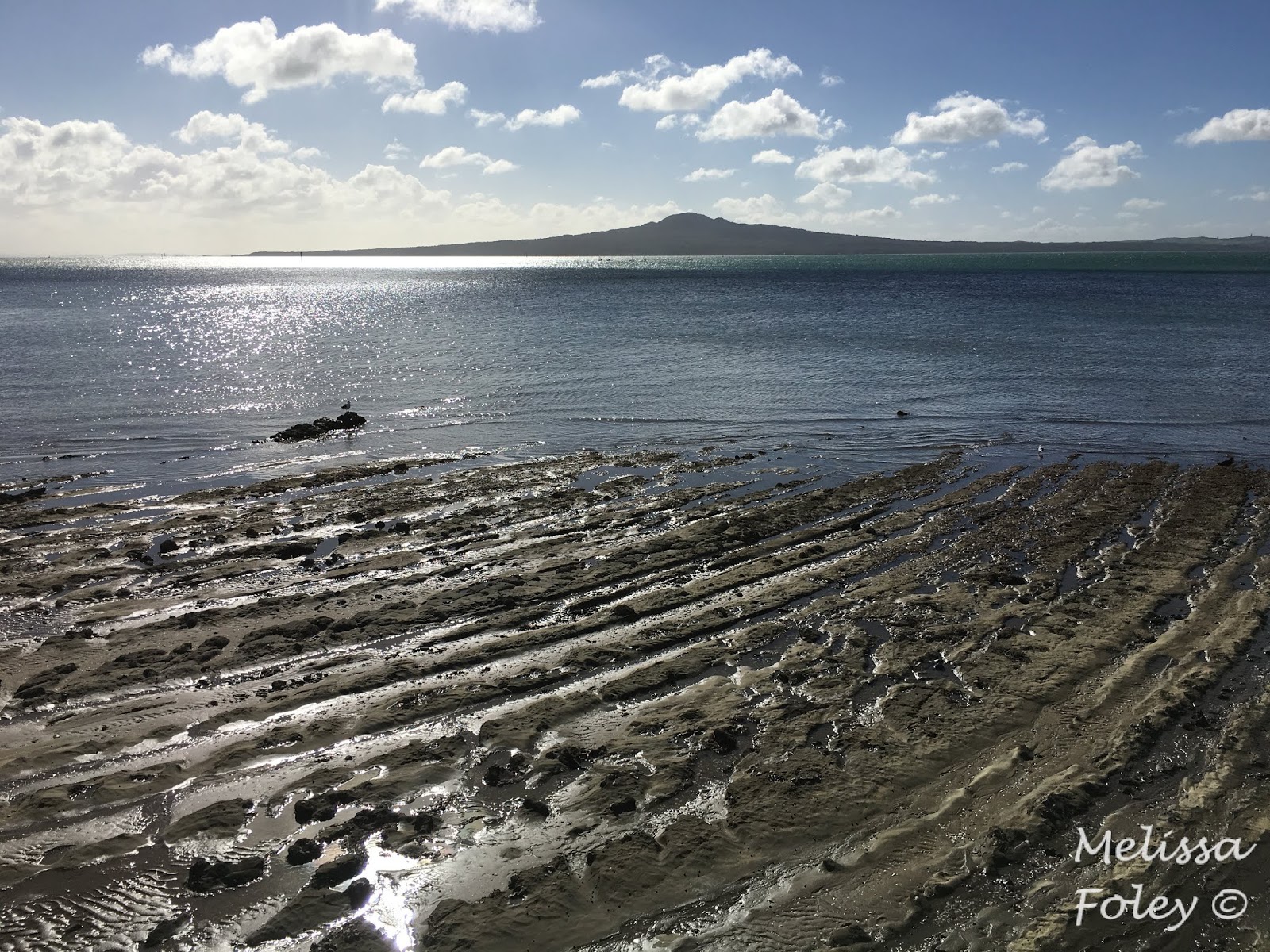
Rangitoto from Kohimarama beach

Te waharoa o Peretu - the guardian of Rangitoto

kidney fern with spores around the edge

field of lava that has been colonized by some robust plants

entrance to a lava tube

crater of the volcano

view of the city and the Hauraki Gulf from the top
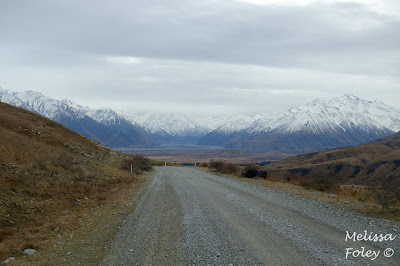
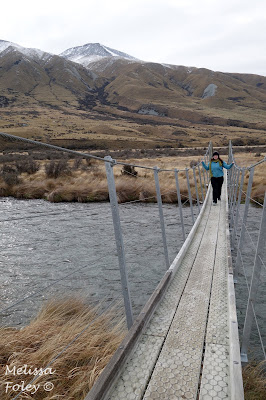
I made a trip down to Christchurch to visit my dear friend Stacie and her family. Stacie and I are also closing in on the twenty-year friendship anniversary, which seems nearly impossible. We spent a day with the boys, exploring the art gallery and playgrounds in Ashburton. The following day we had a girls adventure out to Mount Sunday, otherwise known as Edoras to you LOTR fans. This place is a fantastically gorgeous mixture of mountains, rivers, and high country vegetation. Great company, food, and stars added to the enjoyment of this trip for me.

a display of color, angles, and shadows

finding all the art pieces in the scavenger hunt

making a cup for nana

climbing through the play structure

when little legs get tired someone has to ride the bike

helping DJ with the oil change

the friendly cows in the backyard

the approach to Mount Sunday

grass tussocks are ubiquitous with the high country
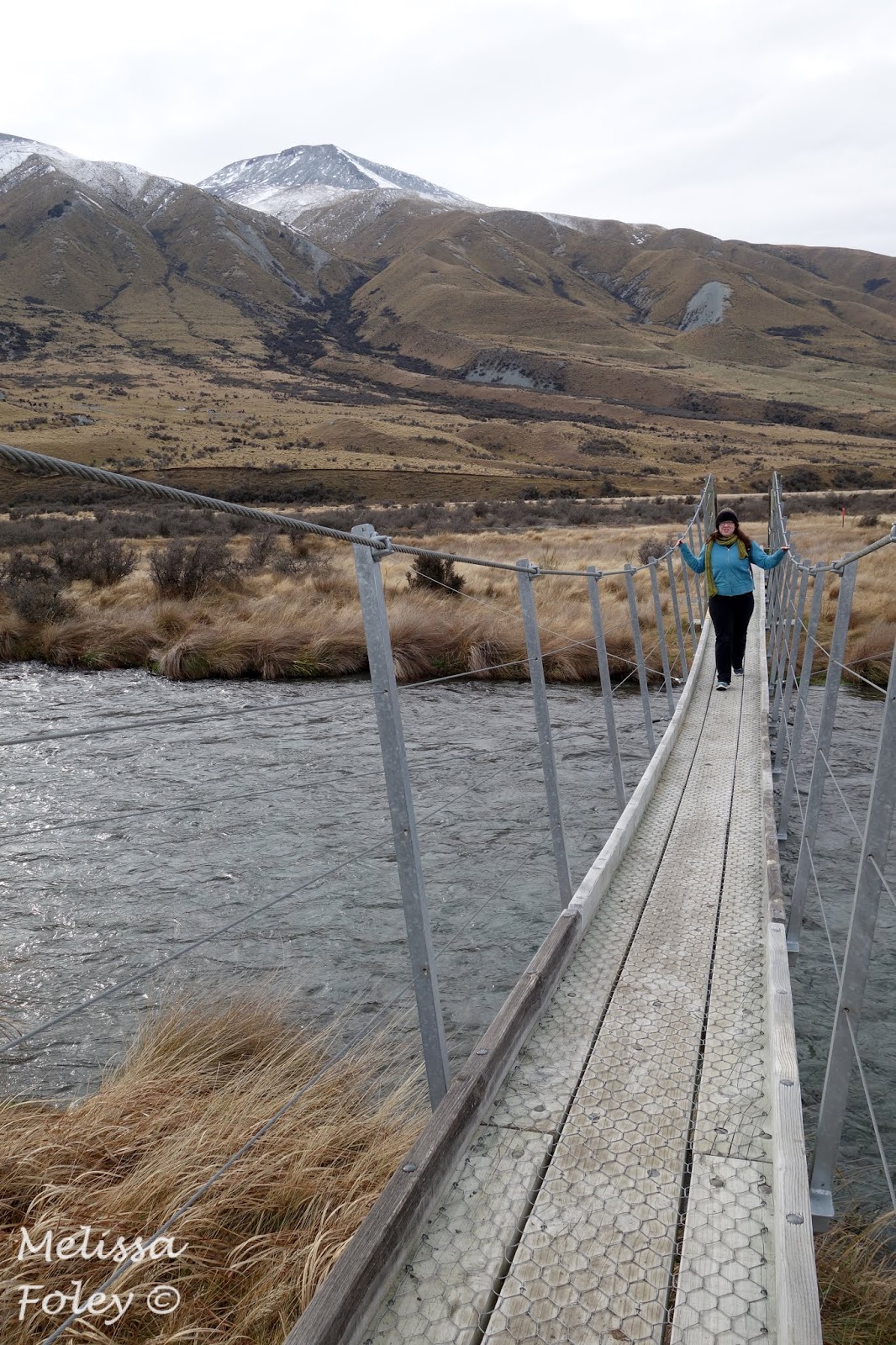
crossing one of the many braids of the Rangitata River


the depot

a very narrow gauge railroad (Pete's foot is a size 12 for scale)

there is pottery all over the property made from the local clay

the double bridge (second train just visible through the tree fern)

view of Coromandel Town from one of the switchbacks

lower level of the double-decker bridge (mind your head!)

handmade retaining wall

one of two tunnels

train cars that were also handmade by Barry

Inside the EyeFull Tower, designed to resemble the lighthouse
at the entrance to the Waitematā Harbour near Rangitoto Island.
at the entrance to the Waitematā Harbour near Rangitoto Island.

The view to the Hauraki Gulf from the EyeFull Tower

A kererū in the predator-free enclosure and sculpture garden
We had a great adventure in NZ. While we were sad to leave after just one year, we are so grateful that we had the opportunity to experience a different country and culture. We will definitely return in the future to pick up where we left off with friendships and adventures. Mā te wā!


